Cet article n'existe qu'en anglais pour l'instant.
Mieux voyager
Food Tours Growing In Popularity
A guide with fifteen years of experience explains why food has moved from a lunch break to the heart of the tour, what guests want and what it asks of guides.
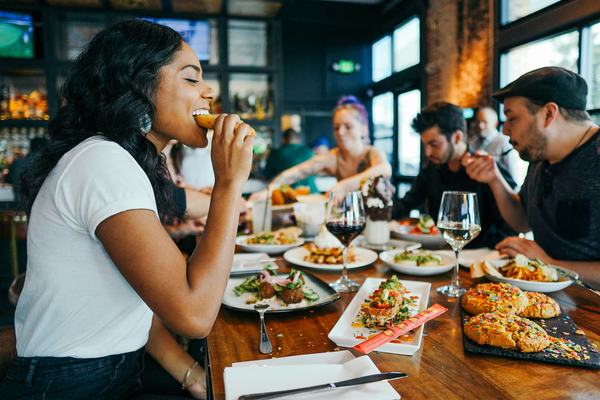
Food is no longer the break between the sights. Today it is often the reason for the trip. In more than fifteen years as a guide, one thing has stayed the same: travellers love to taste local dishes. But in the past, they only asked me where to eat them, in a place that was not touristy. Over the last ten years, that changed. Tastings became part of the tour itself. Now we build whole city tours around them, and I love it.
When lunch was just a break
When I started guiding, food was a timing problem. A classic day tour went from monument to viewpoint to museum. Lunch filled the hour in the middle: a set menu in a restaurant with space for a whole coach group.
Nobody chose a tour for its lunch. A good meal got no comments. A bad one became the only thing people talked about. Food could ruin a tour, but it rarely made one.
What changed
From where I stand, several changes came at the same time.
People have already seen everything. Before they arrive, guests have watched videos of the Jet d'Eau and seen hundreds of photos of Lavaux. The views no longer surprise them. Taste still does. You cannot taste a cheese cellar through a screen.
Food became culture. Cooking shows and food creators taught people that every dish has a history. Guests now want to know why a recipe exists, not only how it tastes.
Travellers want to meet people. They want to hear a cheesemaker talk about summer milk, or drink wine with the person who made it. Mass tourism rarely gives them that.
Trips are shorter. Many guests stay two or three days, not a week. A three-hour tasting walk gives them a lot of local life in a short time.
Food looks good online. A plate makes a better photo than a plaque. That is fine. Food is now part of how people tell the story of their trip.

What guests really want
A good food tour is not a buffet on foot. My guests look for four things:
- The story behind each bite. Why does this cheese come from this valley? The tasting gets their attention; the story stays with them.
- Places they cannot find alone. A family shop, a producer with no website, a café that no guidebook lists. A guide's contacts are the real product.
- A relaxed pace. Five small tastings on a walk work better than one big meal.
- Honesty. Guests like it when I tell them which "traditional" dish mostly feeds tourists, and where locals eat on Sunday.
What this means for guides
Food tours are a big chance for our profession, but they ask more of us.
We need to know food well. Guests ask how cheesemakers age a cheese or which grape is in the glass. If we keep saying "I'm not sure," they stop trusting us.
We need good partners. Producers and shop owners open their doors to us. These relationships take years, and they must be fair for both sides.
Planning gets harder. Allergies, vegan guests, halal or kosher needs, children, timing at each stop: a food tour has many moving parts. A missed allergy is a serious mistake.
For independent guides, this is also a way to stand out. A big company can copy a route through the Old Town. It cannot copy years of friendship with the people behind the counter.
The most honest way into a place
I still love telling the stories of monuments. But I believe food is the most honest way into a place. A statue shows what a city wants to remember. A market shows how its people really live.
Today's travellers understand this. They want to sit at the table, not look through the window. For guides, that is a gift.
So when a guest stops my story to ask where I would eat lunch, I smile. Often, that question is where the real tour begins.


