Krakow Under the Swastika: The Germanization of a City
Findet statt auf Spanisch Englisch

Discover how Nazi occupation transformed Kraków through powerful stories, historic sites and wartime photographs.
Höhepunkte
- See how Kraków was transformed under Nazi German occupation, from the outbreak of war to the city’s role as capital of the General Government.
- Visit key Old Town sites linked to repression, education, religion and occupation, including the Jagiellonian University, the Franciscan Church and the former St. Michael’s Prison.
- Bring the story to life with historical photographs and powerful personal stories, going beyond dates to understand how the occupation affected institutions and everyday life.
Was inbegriffen ist
- Photos of the day
Nicht enthalten
- Bottled water
- Gratuities
- Drinks or a tasting
Was mitbringen
- Comfortable walking shoes and weather-appropriate clothing. Bring water, especially during warmer months. No ID or special equipment is required.
Vor dem Start wissen
- This is a light, easy-paced walking tour suitable for most ages and fitness levels. The route is mostly flat, with only two short sections involving stairs. No museums are entered, there is no formal dress code, and comfortable everyday clothing is perfectly suitable.
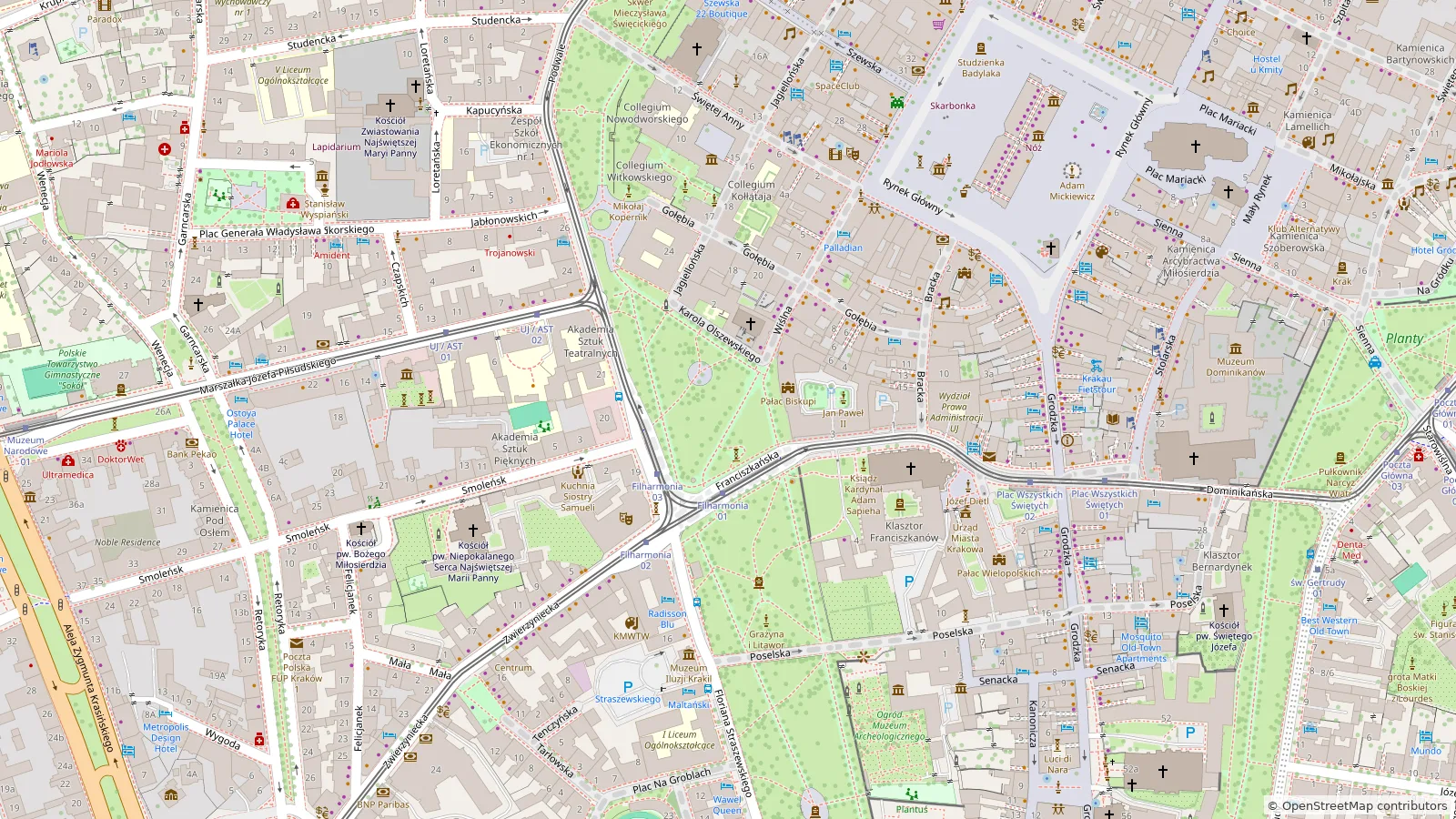
Treffpunkt: Meet in front of the main entrance of Zara, Rynek Główny 5, 31-042 Kraków, directly on the Main Market Square.
Please wait directly in front of the main entrance of Zara on the Main Market Square. Your guide will meet you there a few minutes before the tour starts.
Stornierungsrichtlinie: Moderat: Volle Rückerstattung bis 72 Std. vorher
Das erlebst du
-
1
Sukiennice / Cloth Hall
Details ansehen Weniger anzeigen
Begin in the heart of Kraków with an introduction to the city in the 1930s, its Jewish community and its importance as a cultural and academic centre. Using historical photographs, we explore the causes of the Second World War, the German invasion of Poland and the first changes imposed on Kraków under occupation.
-
2
Pałac Pod Baranami
Details ansehen Weniger anzeigen
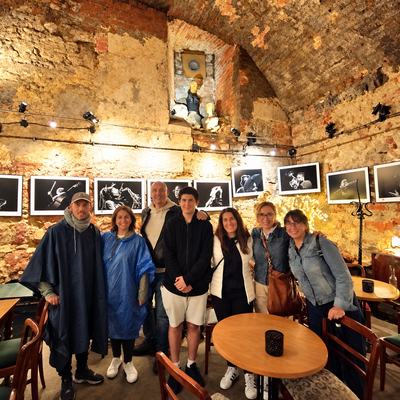
Discover how Kraków became an administrative centre of German occupation. Pałac Pod Baranami housed the authorities of the Kraków District, making it an ideal place to explain the General Government, the process of Germanization and the figures who controlled occupied Kraków.
-
3
Jagiellonian University
Details ansehen Weniger anzeigen
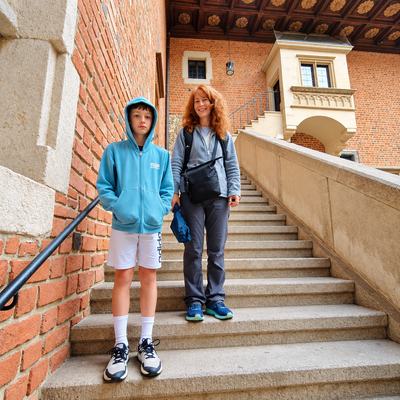
Explore the attack on Polish education and intellectual life. We discuss the Sonderaktion Krakau, the arrest of university professors, the closure of higher education and the wider use of censorship and repression to weaken Polish cultural identity.
-
4
Franciscan Church
Details ansehen Weniger anzeigen
Inside the Franciscan Church, we explore the role of religion during the German occupation and the difficult choices faced by religious communities. We also discuss the story of Maximilian Kolbe, the Franciscan friar who gave his life at Auschwitz to save another prisoner.
-
5
Former St. Michael’s Prison
Details ansehen Weniger anzeigen
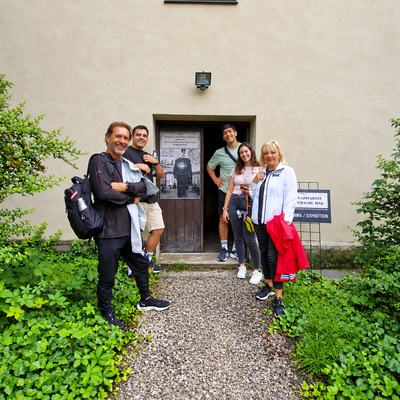
Finish at one of Kraków’s historic sites of imprisonment and repression. We examine the final period of German occupation, the liberation of the city in January 1945 and the difficult transition into the post-war era, including justice for Nazi crimes and the emergence of a new system of political repression.


Bewertungen
Noch keine Bewertungen. Sei der Erste, der bucht und davon erzählt.